

Editor’s note This is a complete English translation of the published Chinese article, with publication chrome, image captions and account notices omitted. Facts, estimates and framing reflect the original publication date. The original Chinese article was published under Han Hao’s pen name, Yi Hai. The Chinese original remains available through the source link below.
Middle East “two eleven”, Saudi Ramadan living and consumption projections 2024
On the evening of 10 March, the Suder Observatory in Saudi Arabia observed a new month in Al-Shawwal, and 11 March (Monday) was considered to be the first day of this year ' s Saudi Ramadan, in accordance with the provisions of the Islamic sharia.
In Islam, Ramadan is meant to be a “No-Momental Month” and refers to the month of September of the Islamic calendar and the month of Allah's descent of the Holy Koran to the holy man of Muhammad, and is therefore considered the most sacred day of the Islamic calendar. The beginning and end of Ramadan is based on the emergence of a new moon tooth for approximately one month.
No meals are allowed in public places during Ramadan, so that Saudi Arabia during the day is essentially an empty city, with only a few shops and supermarkets opening. In the past, non-Muslims had been unable to find an open restaurant in Saudi Arabia, without an in-house canteen or without having been able to cook for themselves, and were fed only by cookies and chocolate during the day. Today, the situation has improved somewhat, and many restaurants, although seemingly closed, are actually working, and customers are able to order them through the delivery platform for about half an hour, at a cost of more than 20 yuan.
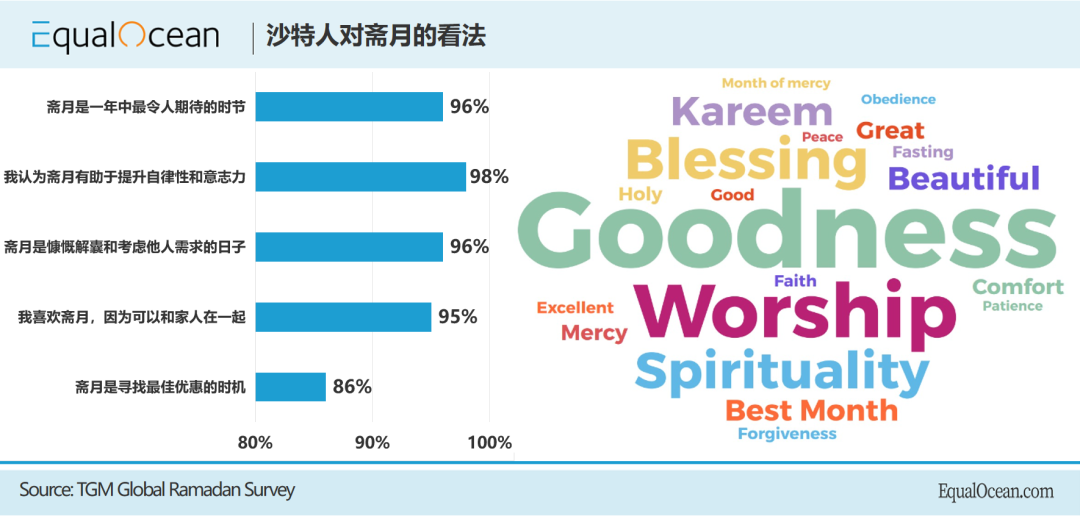
Ramadan is the most expected moment of the day for Saudis. The duration of the fast is determined by sunset at night, approximately at more than six o'clock. The restaurant is usually open from 4 p.m., but is not available outside. By 6 p.m., a long line had been lined up in front of some hot restaurants. At this point, people will put down their jobs for a while and embark on the road to ensure that fast food is available on time. Many Saudis drive with their families for picnics in open areas, usually with dates for fasting, and Arab coffee, soup, fried or baked pie. Mosques and places will also provide free food and water to those in need.
After Ramadan, the city really woke up. People went to the supermarket to buy food for the next day, of which date palms and dried fruit were Saudi favorite snacks. Before the next morning ceremony, at around 4 a.m. people were free to eat and drink. Businesses and restaurants are generally open until 2 or 3 a.m., so that until midnight, much of the place is still very popular, which is quite different from the empty day.
The Saudis may not attend each of the five weeks of the week, but they will not miss the fasting before they go to bed in the morning. The food that is eaten before the fast is very important, because those who fast need a day of nutrition. The usual fasting meals include meat, fish, vegetables, fruit, among them Saudi nationals ' breakfast Ful, Saudi cabbage, banana sweets masoub, etc.
During the month of Ramadan, the daily living and consumption habits of Saudis were characterized by a unique rhythm and pattern. During the day, food taboos in public make the city cold, and after the night of fasting, active social and consumer activities rejuvenate the city. Against this background, we turn to Ramadan consumption projections to explore how this traditional religious festival affects market dynamics and consumer behaviour.
In Ramadan, the Middle East e-commerce's "two elevens"
Ramadan is the most important time in the Muslim world, during which large numbers of people choose to shop online. As a result, Ramadan has also been viewed by the electricity market as the “Middle East XXI” and major e-commerce platforms have targeted commercial opportunities and targeted Ramadan marketing strategies.
During Ramadan, Saudi consumers focused on the spiritual dimension of the festival: physical and psychological cleansing, family reunification and social harmony. Research shows that up to 84 per cent of Saudis will use online apps for recreation, shopping and socialization during Ramadan; while 76 per cent of Saudis have strong consumer appetite during Ramadan, which is 5 percentage points higher than last year, while 46 per cent of Saudis are expected to spend more than 2023 this year. As a result, online consumption has become an important part of Saudi Ramadan life in the new era. In the online consumer category, the most popular consumer goods are fashionable clothing, accessories, perfume and cosmetics.
Stimulated by strong market growth, Saudi e-commerce is increasingly competitive and is dominated by platforms such as Amazon, eBay, Namshi, Noon and Jarir. Chinese e-commerce platforms have also expanded rapidly in Saudi Arabia: TikTok Shop introduced a fully managed model; Temu's local user base grew by nearly 80 per cent in 2023 and added free-return and refund services; Shein focused on women’s fashion through brand operations, inventory control and supply-chain support; and Hibobi tailored its mid-to-premium mother-and-child products to local consumer demand.
In recent years, Saudi Arabia ' s e-commerce market has developed rapidly and has become an important pillar of its digital economic growth. According to relevant studies, the size of the Saudi e-commerce market is expected to reach $22.01 billion by 2027, with a compound annual growth rate of 2022 to 2027, or 20.87 per cent. This has been facilitated by Vision 2030, where the Saudi Government actively promoted the digital industry infrastructure, with more than $46 billion invested in ICT throughout 2023, and plans to build 6,500 new signal base stations and expand the deployment of the 5G commercial network, with an average Internet move rate of 179.9 Mbps at the end of 2021. On the other hand, Saudi mobile Internet users ' penetration rates have increased significantly, and the willingness of younger generations to use social media and to shop APP has increased dramatically. In Saudi Arabia, 63 per cent of the population is under 30 years of age, providing a large potential customer base for e-commerce consumption, with mobile Internet users reaching 99.0 per cent at the beginning of 2023, and social media users reaching 29.1 million, or 79.3 per cent of the total population.
The clothing market rises. The Saudis wear more than robes.
Perrie, who works in the Saudi logistics industry, stated to EqualOcean that “Fashion brands such as Zara and H&M are popular in Saudi Arabia, and that while Saudis are mostly wearing robes, clothing stores sell similar clothing to those in the country, with short sleeves and even hanging belts. They'll wear these at home, just not out." The Saudi fashion market is rising rapidly and is expected to nearly double in size by 2025. In his address, the head of the relevant Saudi industry committee stated that Saudi clothing would focus on sustainable and inclusive fashion and emphasized the international influence of Saudi clothing designers, noting that the works of Saudi designers had been sold, for example, in front of the London mall. Saudi Arabia also plans to train designers and increase international exposure through the Saudi 100 brand scheme.
As a generation that grew up in a period of globalization and informatization, Saudi youths had their own unique vision of Ramadan, which meant sending goodwill, hugging beauty, displaying good wishes for themselves and others; therefore, in this traditional festival, physical and mental cleansing and changing nature was an important consumption motive. With this drive, the demand for clothing purchased online by Saudi consumers increased sharply during Ramadan, with up to 50 per cent of Saudi interviewees indicating in their research that more money would be spent on the purchase of clothing than in 2023.
Against this background, the online clothing market has become a veritable forum for major international brands in Saudi Arabia. Major clothing brands have already introduced targeted marketing programmes for Ramadan. H&M, with its scenery as a gap, aimed at the demand for clothing for the fasting parties and other evening celebrations, inspired by the petals and colours of the natural flowers, and designed a pink and green-based Ramadan dress, dress, robe, scarf, etc. The Italian brand Max Mara, inspired by herbs in the villages of the United Kingdom, has designed a flower pattern with a bright, warm-coloured tone for the clothing, creating an elegant and dynamic unique tone. Saudi native brands performed equally amazingly, with the designer ' s designer, Leem, creating a series of robes and outfits for Ramadan 2024, reflecting a strong modern style, creating a unique sense of quality using simple designs to collide with rich colours.
In the same vein, the online electric power company platform launched a major marketing programme for Ramadan, in which Chinese offshore companies performed particularly well. Shein, who had been on the top of the Middle East popular application, had already been on the special board for Ramadan, providing clothing for holidays, household items, etc. Shein has always attached great importance to the Saudi market, having set up the Middle East women ' s supply chain group, with fabrics and layouts, to tailor the clothing to suit the cultures of Middle Eastern customers, and in 2023, in cooperation with the Rotana Media Group, the Saudi Tourism Authority and the Warner Brothers, to launch the first series of reality shows and to open an underline flash shop in Saudi Arabia. The Cider fashion platform, also from China, has actively seized the opportunity to launch its first Ramadan series, which is being promoted jointly with Red Noor Stars, a well-known network in the Middle East.
Social media is a key channel for online consumption.
The survey showed that 74 per cent of Muslim consumers consider social media to be an important entry point for Ramadan shopping, and therefore social media marketing strategies are particularly important not only to help brands capture the double peaks of growth, but also to exploit the potential of the Ramadan and Eid marketing cycles. Research has shown that it is important to ensure that marketing plans are timely, well-written and accurate. Specifically, Ramadan has a longer marketing cycle, with the first 1-2 weeks of Ramadan being a critical period for the opening of the first round of brand promotions and an increased advertising budget. In terms of content, 82 per cent of consumers believe that brands should reflect religious content in marketing, and 83 per cent prefer environmentally friendly brands. In addition, brands need to take into account the views of non-Muslims in marketing.
In terms of total traffic, Ramadan is the peak annual Internet users online, during which Saudi social media use will increase dramatically by 30 per cent, with an average of eight hours per person per day spent on various platforms. More than 90 per cent of them will use social media during Ramadan, the most popular being Facebook, YouTube and WhatsApp. During Ramadan, social media was used by the Saudi people primarily to learn new things, send greetings and maintain contact with relatives and friends.
To hit the pain of potential customers, marketing content needs to match the needs of the audience. Studies have shown that Saudis continue to show a high level of religious enthusiasm for Ramadan, with 58 per cent wishing to see religious content in social media, 54 per cent looking for a Ramadan recipe in social media and 48 per cent wanting to see more about healthy nutrition.
The Chinese e-commerce platform contributed many examples of marketable marketing before Ramadan. Shein launched a Ramadan clothing recovery campaign on social platforms, where users contribute their old clothes and obtain a Shein Mall voucher to contribute to sustainable environmental development.
As early as February, Hibobi, focusing on mother and child commodities, produced special promotional materials for Ramadan, which continued to be distributed on social platforms, and launched an exclusive discount promotion campaign, with discounts of up to 80 per cent.
Cider, who is focused on fashion, is promoting the “carbuses” flash shop through social media, conducting online and offline circuits to create a unique landscape in Ramadan's media marketing.
There's a rush to buy cars in Ramadan.
The growth of the Saudi automobile market has been influenced by its unique cultural background, particularly during Ramadan. During this “fresh-up” month, many Saudis used the purchase of new cars as a way of celebrating holidays, a unique cultural phenomenon that created additional opportunities for growth in the car market, especially in high-end and luxury motorways.
According to the survey, 22 per cent of Saudi respondents had planned to buy cars during Ramadan; as many as 43 per cent were considering the purchase of vehicles, a percentage that was ahead of the Middle East region, indicating the potential for the Saudi automobile market to flourish, and it was therefore important for car traders to target the introduction of car shopping concessions to capture the best time for promotion. In the form of promotions, about 28 per cent of customers want a direct car purchase discount from the merchant in Ramadan marketing, while another 32 per cent want the merchant to optimize the overall car purchase programme and reduce or even cancel interest on the car purchase loan. In addition, 22 per cent of customers wanted businesses to expand service and insurance coverage and reduce maintenance costs.
Depending on the Saudi Government ' s strategic support to reduce fossil fuel dependence and improve energy efficiency, the Saudi Arabian automobile market has grown rapidly in recent years, and the Government plans to achieve 30 per cent penetration of electric cars throughout Saudi Arabia by 2030 and to install 50,000 charging stakes throughout the country by 2025. In 2023, Saudis imported more than 70,000 electric vehicles, a record number; accordingly, 63 per cent of Saudi respondents indicated in their survey that they were seriously considering purchasing electric vehicles.
Whether in the area of traditional or new energy vehicles, Chinese enterprises are taking possession of the Saudi market at a very rapid pace. As early as 2020, Changan cars sold more than 20,000 cars in Saudi Arabia. Anké has also delivered more than 10,000 buses to Saudi Arabia, making it the largest locally maintained bus brand, active among diverse operators such as schools, travel agencies and others. In 2023, a master-generation agreement was signed with the Saudi Wallan Group at the national level, with the main push vehicles in polar krypton 001 and X. In February this year, Biadi held a high-profile launch in Saudi Arabia ' s three main cities, announcing the introduction into the Saudi market of flagship vehicles such as Biadihan, ATTO 3, seals, Qin Plus and Song Plus. In his presentation, the General Manager of the Middle East and Africa region of Biadi said: “Cooperation with Saudi Arabia is an important step towards the launching of a global sustainable transport strategy in Biadi. We will commit ourselves to providing more green travel solutions for Saudi Arabia, to supporting Saudis in reducing carbon emissions and to ensuring that clients enjoy excellent, environmentally friendly travel experiences.”
Scan the two-dimensional code below, share with us new stories about the Middle East, and get the latest edition of the February 2024 Saudi Monthly Study of Chinese Enterprises.
EqualOcean’s top-level resource-link platform, the Globalizing 100 at Sea, brings together 500 experts, entrepreneurs and investors heading out of the sea. In 2024, the centenarians began a new campaign, which led them into Temu, Ank, Mihau, Ali, and others to learn how to get out of the sea. At the same time, many business tours will be organized for the Middle East, South-East Asia, Latin America, and Japan and Korea, while looking at markets. EqualOcean is a member of the Globalizing 100 People's Association, in a circle with the best people who go out.
In addition to regular meetings, there will be awards and social dinners, a trip to a sea start-up project, and a sea fair. As a way out of the sea, EqualOcean's activities in Shenzhen in mid-year and in Shanghai at the end of the year should not be missed.
Read the complete article in its original context.
EqualOcean Globalization · March 11, 2024 · Chinese
Open the original Chinese article